

Children's Book Awards
The Aesop Prize is awarded by the Children’s Folklore Section of the American Folklore Society (AFS). The Prize is for outstanding work in children’s folklore. The winner and a variable number of honor books, called Aesop Accolades, are chosen annually by a Committee of three members appointed by AFS. The Prize and Accolades are announced at the AFS Annual Meeting, usually in October. The criteria states that the book must be published in English either in the current or prior year. Both fiction and nonfiction are eligible. The Prize is for a single book, not for lifetime achievement.
For more information visit http://www.afsnet.org/sections/children
The Alex Award is named after Margaret Alexander Edwards, a longtime young adult specialist at the Enoch Pratt Library in Baltimore, Maryland. The awards honor ten books each year that were written for adults but have special appeal to young adult readers, aged 12-18. The Award is administered by the Young Adult Library Services Association (YALSA), a division of the American Library Association (ALA) and was established in 1998. The award is sponsored by Booklist and the Margaret Alexander Edwards Trust. The ten winners, or fewer if enough good candidates are not available, are announced in the issue of Booklist as close to National Library Week as possible. Presentation can be at the ALA Annual Meeting, normally in June, although this is at the committee’s discretion. The winners are selected by a committee of nine people appointed by YALSA who serve two year terms. In addition, the committee has a consultant from Booklist who does not vote. YALSA may also provide a nonvoting administrative assistant. The winners receive medals designed by the Margaret Alexander Edwards Trust. The criteria for the award states that the book must be published in the preceding year and in English, either in the U.S. or abroad. The book must be from the publisher’s adult list rather than from the juvenile list.
For more information visit http://www.ala.org/ala/mgrps/divs/yalsa/booklistsawards/alexawards/alexawards.cfm
The Amelia Elizabeth Walden Young Adult Book Award was established by the Assembly on Literature for Adolescents (ALAN), a part of the National Council of Teachers of English in 2008. It is named for a young adult author and seeks to recognize young adult books published in a given year that demonstrate literary merit, a positive approach to life, and widespread teen appeal. A committee within ALAN chooses a group of finalists each year and then the winner is announced at the ALAN workshop in the fall of the year. The winner receives $5000.
For more information visit http://www.alan-ya.org/amelia-elizabeth-walden-award/

The American Indian Youth Literature Award was first awarded in 2006 by the American Indian Library Association (AILA), an affiliate of the American Library Association. The Award is made in three categories – picture book, middle school and young adult – to honor children’s books by and about American Indians. The award winners are selected by a committee of the AILA each year and announced in the fall. Each winner receives $500 and a commemorative plaque.
For more information visit http://www.ailanet.org/
The Americas Book Award for Children’s and Young Adult Literature is sponsored by the Consortium of Latin American Studies Programs (CLASP). The Award was started in 1993 and recognizes outstanding works that authentically and engagingly portray Latin America, the Caribbean, or Latinos in the U.S. There can be one or more winners of the Award each year and the Awards are presented at a summer ceremony at the Library of Congress in Washington, D.C. Fiction, poetry, folklore and nonfiction are all eligible for the Award. The Award is chosen by a committee appointed by CLASP, and the committee also chooses a number of honor books, called Commended titles.
For more information visit http://www4.uwm.edu/clacs/aa/index.cfm

The Anne Spencer Lindbergh Prize was administered by the Charles A. and Anne Morrow Lindbergh Foundation. The Prize was named in honor of the eldest daughter of Charles Lindbergh, the famous aviator. Anne Spencer Lindbergh was also an author of children’s fantasy novels. She died of cancer in 1993. The Prize, started in 1996, was for the outstanding children’s fantasy novel published in English for the previous two year period. The winner received a $5000 award. There can also be one or more Honor books chosen, with an award of $1000. The winner and honor books were chosen biennially by a panel of experts appointed by the Lindbergh Foundation. This award was discontinued in 2008.
For more information visit http://www.lindberghfoundation.org
The Arab American Book Awards were established by the Arab American National Museum in 2006. They encourage the publication and excellence of books that advance the understanding of the Arab American community. Awards are given in four categories – adult nonfiction, adult fiction, poetry and children or young adult. The children’s award can be for either fiction or nonfiction and can be for either an author or an illustrator. The Awards are made each spring for books published in the previous year. The winners are selected by a committee from the Arab American National Museum.
For more information visit http://www.arabamericanmuseum.org

The Indies’ Choice Book Awards are sponsored by the American Booksellers Association (ABA). They were established in 1991 as the American Booksellers Book of the Year (ABBY) Awards, and renamed the Book Sense Book of the Year Awards in 2000. They were then renamed the Indies’ Choice Book Awards (ICBA) in 2008. The Awards are meant to honor books by lesser-known authors that ABA members most enjoy recommending to their customers. There is both an adult winner and a children’s winner each year, as well as a variable number of honor books for each category. The winning authors receive $5000 and an engraved Tiffany glass prism. The Awards are for single books, not for a body of work. Starting in 2009 there is also an Indies’ Choice Picture Book Hall of Fame for classic children’s picture books.
For more information visit http://www.bookweb.org/btw/awards/BSBY.html

The Boston Globe-Horn Book Awards for excellence in children’s literature began in 1967. There are three categories of awards—Picture Book, Fiction and Poetry, and Nonfiction. The Awards are sponsored by a newspaper and a journal that reviews children’s books. The annual Awards, and up to two honor books in each category, are chosen by a committee of three library professionals appointed by the Horn Book staff. The Awards are announced each year in June. The criteria for the Awards states that the books must be published in the prior year in the U.S. The author or illustrator, however, does not need to be a resident or citizen of the U.S. The Awards are for a specific book, not for a body of work.
For more information visit http://www.hbook.com/
The Carter G. Woodson Book Awards are administered by the National Council for the Social Studies (NCSS). The Awards are named for a distinguished African American historian and educator who wrote books for both adults and young people. The Awards were established in 1974 to recognize the most distinguished social science books for young readers that depict ethnicity in the U.S. The Awards are made annually in three age ranges—elementary, middle and secondary. A subcommittee of from 14 to 20 members appointed by NCSS decides on the Awards each year. A variable number of honor books can also be designated in each age range. The Awards are presented at the NCSS Annual Conference, which is usually during November. The winning authors receive a commemorative gift and a medallion. The books must be informational, written for the appropriate age range and published in the U.S. in the year prior to the Award. The author does not need to be a U.S. citizen.
For more information visit http://www.socialstudies.org/awards/woodson

The Charlotte Zolotow Award is administered by the Cooperative Children’s Book Center (CCBC) at the School of Education, University of Wisconsin-Madison. The Award was established in 1998 to honor the authors of the best picture books. It is named for a well-known children’s author and children’s book editor at Harper Junior Books. She was also an alumnus of the University of Wisconsin-Madison. The Award is announced annually in January and the winner receives $1000 and a bronze medallion at a ceremony in the spring. The criteria states that the picture book must be directed at young children from birth to age seven, it must be published in the United States in the previous year, it must be originally written in English, and it may be fiction or nonfiction. Poetry and easy readers are not eligible. A committee of members of the Friends of the CCBC decides on the Award and they may also choose up to three honor books and up to ten Highly Commended books.
For more information visit http://www.education.wisc.edu/ccbc/books/zolotow.asp
The Children’s Africana Book Awards are administered by the Outreach Council of the African Studies Association (ASA). They were established in 1991 to recognize and encourage excellent children’s books about Africa. Awards are given annually for Best Book for Young Children and Best Book for Older Readers. In addition, honor books in each category are announced each year. The Awards are presented somewhere in Washington, D.C., usually in the fall. The winners and honor books are chosen by a Committee appointed by the ASA. The rules of eligibility state that the book must be published in the U.S. in the year prior to the Award, and for an audience aged 4 to 18.
For more information visit http://www.africaaccessreview.org/aar/index.html

The Children’s Crown Award is sponsored by the National Christian School Association (NCSA). The Award was started by Sandra Morrow and the Texas Christian Schools Association in 1993. The Award is for the most popular children’s book for grades three through six that contains wholesome values, uplifting characters and edifying themes that inspire children toward positive goals. A committee of readers from member schools within NCSA nominate twenty books that have been published within the prior two years. Then students at participating schools vote on their favorite books. Both winners and a variable number of runners-up are announced each spring.
For more information visit http://www.childrenscrownaward.org

The Children’s Crown Gallery Award is sponsored by the National Christian School Association (NCSA). The Award was started in 2000. The Award is for the most popular children’s book for grades kindergarten through third that contains wholesome values, uplifting characters and edifying themes that inspire children toward positive goals. A committee of readers from member schools within NCSA nominate ten books that have been published within the prior two years. Then students at participating schools vote on their favorite books. Both winners and a variable number of runners-up are announced each spring.
For more information visit http://www.childrenscrownaward.org

The Coretta Scott King Awards are named for the widow of the preacher and civil rights champion, Dr. Martin Luther King Jr. The awards are for the most distinguished books by those of African descent that promote Dr. King’s values of peace and world brotherhood. There is one award for a work of fiction and another award for the best illustrations. A John Steptoe Award for New Talent for African American authors and illustrators with less than three published works was established in 1995. A new CSK Award, the Virginia Hamilton Award for Lifetime Achievement, was first selected in 2010. This Award is named for a well-known African American Newbery-winning author who died in 2002. In even-numbered years the Award will be given to authors or illustrators. In odd-numbered years the Award will be given to practitioners working with children’s books. The winner receives $1500 and a plaque. The CSK awards were started by the New Jersey Library Association in 1970. The awards were affiliated with the Social Responsibilities Round Table (SRRT) in 1980 and became official American Library Association (ALA) awards in 1982. Within ALA, the awards are currently administered by a committee within the Ethnic & Multicultural Information Exchange Round Table. The winners, and a variable number of honor books, are announced at the ALA Midwinter Meeting, normally in January. Presentation is at the ALA Annual Meeting, normally in June. Winners receive a framed citation, an honorarium, and a set of encyclopedias. The CSK Award Seal was designed by artist Lev Mills in 1974. The winners are chosen by a seven member national jury.
For more information visit http://www.ala.org/ala/awardsgrants/index.cfm
The E.B. White Read Aloud Award is sponsored by the Association of Booksellers for Children (ABC). The Award was established in 2004 to recognize great read aloud books in the tradition of E.B. White, the author of classic titles such as Charlotte’s Web and Stuart Little. In 2006 the Award became two awards, one for picture books and one for older readers. A shortlist for each award is voted on annually by the membership of ABC in April. The winners are announced at Book Expo in May or June and the remaining books on the shortlists are named honor books.
For more information visit http://www.abfc.com
The Edgar Awards are sponsored by the Mystery Writers of America (MWA). The original single award started in 1946 but now there are 13 different categories of awards—best novel, best first novel, best paperback original, best critical/biographical, best fact crime, best short story, best children’s mystery, best young adult mystery, best TV series episode, best TV feature or miniseries, and best motion picture screenplay. The Awards are for excellence in mystery writing and the winners are chosen annually by Edgar Award Committees appointed by the MWA for each category. The Awards are announced and presented at a special banquet in New York City in late April or early May each year. The criteria for the Awards state that the work must be published in the U.S. with a copyright in the year prior to the Awards. Works can only be considered by one of the Award Committees.
For more information visit http://www.mysterywriters.org
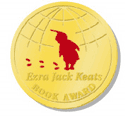
The Ezra Jack Keats Awards are named after the well-known author and illustrator who died in 1983. The Awards are administered jointly by the Ezra Jack Keats Foundation and the New York Public Library. There is one Award for an outstanding new writer of picture books and another Award for an outstanding new illustrator of picture books. The Writer’s Award was originally given biennially but, since 1999, it has been an annual award. The Illustrator’s Award was added in 2001 and is also an annual award. The winners are chosen by a committee of education and book experts. The winners receive a silver medal and a $1000 honorarium. The criteria states that the picture books must be meant for children ages 9 and under. The author or illustrator must have published no more than three books. Extra emphasis is given to books that portray the universal qualities of childhood, strong families, and the multicultural nature of the world.
For more information visit http://www.ezra-jack-keats.org
The Flora Stieglitz Straus Award is administered by the Children’s Book Committee (CBC) at the Bank Street College of Education. This annual Award was begun in 1994 in honor of the longtime chair of the Children’s Book Committee. The Award is for the best nonfiction book of the year that fulfills Ms. Straus’s humanitarian ideals. The Award is presented each year at a ceremony at Bank Street College in March.
For more information visit http://www.bankstreet.edu/bookcom/awards.html
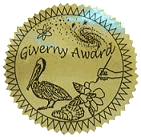
The Giverny Award was established in 1998 by Dr. James H. Wandersee and Dr. Elisabeth Schussler. Its purpose is to recognize the best children’s science picture book published in a given year. The Award is administered by the 15 Degree Laboratory, a research lab currently located at Louisiana State University. The name refers to the French village in which the Impressionist artists created numerous paintings that allow us to see plants in whole new ways. The annual Award is announced in April each year and the winner receives a large plaque. The seals placed on the winning book were designed by children’s author and illustrator Molly Bang. The Award is decided on by a committee appointed by the 15 Degree Laboratory. The criteria for the Award states that the book must be written in English and published within five years of the award date. Preference is given to books about plants.
For more information visit http://www.15degreelab.com/givernyawarddescription.html
The Golden Duck Awards for Excellence in Children’s Science Fiction Literature are administered by Super-Con-Duck-Tivity, a nonprofit organization devoted to encouraging science fiction. There is an Award for Picture Books, the Eleanor Cameron Award for Middle Grades, and the Hal Clement Award for Young Adults. The last two Awards are named for well-known children’s science fiction writers. The Awards have been presented annually since 1992, except the Eleanor Cameron Award was started in 2002. The winners receive a cash prize and a scroll. The Awards are presented at the DucKon Convention held in late May or early June. The Awards are decided on by a panel of experts appointed by Super-Con-Duck-Tivity. The criteria states that the books must be published in the U.S. in the year prior to the award. The books must be primarily science fiction, rather than fantasy.
For more information visit http://www.goldenduck.org
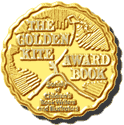
The Golden Kite Awards are presented by the Society of Children’s Book Writers and Illustrators (SCBWI). The Awards were established in 1974. There are four Awards given each year for fiction, non-fiction, picture book text, and picture book illustration. There are Honor Books in each category as well. The winners receive Golden Kite Statuettes and the honor books receive a plaque. The Awards are for excellence in writing or illustrating and for appeal to children. The winners must be members of SCBWI and the vote for the winners is among the SCBWI members. The books must be original publications published in the prior year. Winners are announced each year by April 15.
For more information visit http://www.scbwi.org

The Green Earth Book Award was created by the Newton Marasco Foundation and Salisbury University in 2005 to promote children’s books that inspire a deeper appreciation and respect for the natural environment. An award is made in four categories – picture books, fiction, young adult fiction, and nonfiction. A shortlist for each category is announced near the end of the year for books published that year, and then the winners are announced in the spring of the next year. The winners in each category receive an award of $1000, or $2000 if they also illustrated their book, and $250 worth of award winning books will be donated on their behalf to schools in Maryland, Virginia or D.C.
For more information visit http://www.newtonmarascofoundation.org

The Gryphon Award is sponsored by the Center for Children’s Books (CCB) at the Graduate School of Library and Information Science at the University of Illinois in Urbana-Champaign, publishers of the reviewing journal, the Bulletin of the Center for Children’s Books. The Award was begun in 2004 to recognize outstanding works of fiction or nonfiction for which the primary audience is children in grades K to 4. It is meant to focus on transitional books that bridge the gap between picture books and full-length books. The Award is made annually by a committee appointed by the Director of the CCB. The winner and a varying number of honor books are announced each year in March. The winner receives a check for $1000. The criteria for the Award states that the book must be an original work in the English language, published in the year prior to the award. The Gryphon Award is for a specific book, not for a body of work.
For more information visit http://www.lis.uiuc.edu/~ccb

Helen Keating Ott Award for Outstanding Contribution to Children’s Literature has been awarded by the Church & Synagogue Library Association (CSLA) since 1980. It honors a person or organization for a significant contribution in promoting high moral and ethical values through children’s literature. It is named for a long-time CSLA member who died in 1979. An Award can be made annually but is not necessarily awarded every year.
For more information visit http://cslainfo.org/page.php?pagecode=awards
The Henry Bergh Book Awards are sponsored by the American Society for the Prevention of Cruelty to Animals (ASPCA). Henry Bergh founded the ASPCA in 1866, as well as founding the Society for the Prevention of Cruelty to Children in 1874. There are five categories of Awards given—Fiction, Nonfiction, Poetry, Illustration and Young Adult. The Fiction and Nonfiction categories are further broken down into three areas—Companion Animals, Environment & Ecology, and Humane Heroes. All Awards honor books that promote the humane ethic of compassion and respect for all living things through outstanding literary works or visuals. All Awards, and a variable group of honor books of each type, are presented annually and are chosen by a committee of experts appointed by the ASPCA. The Awards are presented at an ASPCA reception during the American Library Association Annual Meeting, usually in June. The criteria for both Awards states that the books must be published in English in the U.S. or Canada in the year prior to the Award. The Young Adult Book Award must be for an audience between the ages of 13 and 17. The other Awards are for an audience up through the age of 12.
For more information visit http://www.aspca.org
The Irma Simonton Black and James H. Black Award for Excellence in Children’s Literature is administered by the Bank Street College of Education. The Award is in honor of Irma Simonton Black, a writer and editor of children’s books and a founding member of the Bank Street Writers Laboratory. Her husband’s name was added to the Award in 1992 in recognition of his support of the Award. The Award goes to a book for young children in which the text and illustrations work together to create an outstanding whole. Each year a committee of experts choose 20 to 25 children’s books to present to the classes at the Bank Street School for Children. The students then choose four finalists, or Honor Books, to be sent to a number of schools in several states. The children in all the schools then elect the Award winner. The Award winner receives a scroll with a gold seal designed by Maurice Sendak. The Award is presented at a breakfast in New York City in May.
For more information visit http://www.bankstreet.edu

The James Madison Book Award was named after the 4th President of the United States. The Award was established by Lynne Cheney, an author, former chair of the National Endowment for the Humanities and wife of former Vice President Dick Cheney. The Award recognized excellence in bringing knowledge and understanding of American history to readers aged five to fourteen. The Award was administered by the James Madison Book Award Fund, a fund of the Community Foundation of Jackson Hole in Wyoming. The winners were chosen by a Committee of the James Madison Book Award Advisory Council, which was chaired by Ms. Cheney and included over thirty members from education, historians and the media. The Award was announced annually in July and carried a cash prize of $10,000. To be considered, a book had to be published in the previous year. Historical fiction could be considered, as well as non-fiction. This award has been discontinued as of 2008.
The Jane Addams Book Awards are administered by the Jane Addams Peace Association (JAPA), the educational affiliate of the Women’s International League for Peace and Freedom (WILPF). The Award was established in 1953 to honor each year’s children’s book that most effectively promotes the cause of peace and social justice. In 1993 a Picture Book category was added. The Award is named for the American social worker who was the first president of the WILPF and was awarded the Nobel Peace Prize in 1931. Honor books may be chosen by the committee each year as well as the two winners. The committee is appointed by the JAPA. The Award winners are announced on April 28, the anniversary of the founding of WILPF. The winners receive a certificate and a cash prize. The books can be fiction, poetry or nonfiction and must be published in the U.S. in the year prior to the award. They must be intended for an audience of preschool through age 14.
For more information visit http://www.janeaddamspeace.org/

The Jeremiah Ludington Memorial Award was created by the Educational Paperback Association (EPA) in 1979 and is named after the owner of the Ludington News Company who founded EPA in 1975. In 2009 the organization changed its name to the Educational Book and Media Association (EBMA). The Award is presented annually to an individual who has made a significant contribution to the educational paperback business. The winner is announced, and the Award presented, at the EBMA Annual Meeting, usually in January. The winner receives a certificate and $1000 is given in their name to a charity of their choice. The winner is chosen by the Board of the EBMA. The Ludington Award is for lifetime achievement, not for any single book.
For more information visit http://www.edupaperback.org
The John Newbery Medal is named in honor of an 18th century English bookseller. Frederic G. Melcher, a publisher of book-related magazines, proposed an award to recognize each year’s most distinguished children’s book and it was established by the American Library Association (ALA) in 1922. It is administered by the Association for Library Service to Children (ALSC), a division of ALA. The winner, and a variable number of honor books, are announced in the year following publication at the ALA Midwinter Meeting, normally in January. Presentation is at the ALA Annual Meeting, normally in June. The winner receives a bronze medal designed by Rene Paul Chambellan. The winner and the honor books are chosen by a committee appointed annually by ALSC. The Newbery Medal is generally recognized as the earliest award for children’s books in the world. The criteria is that the book has to be published in the U.S. in the preceding year and can’t have been published elsewhere first. The artist must be a citizen or resident of the U.S. The award may be made posthumously. All forms of writing—fiction, non-fiction and poetry—are eligible. The writing must be original work and must be intended for an audience of up to 14 years of age. The award is for a book, not for an author’s body of work.
For more information visit http://www.ala.org/ala/awardsgrants/index.cfm
The Josette Frank Award is administered by the Children’s Book Committee (CBC) at the Bank Street College of Education. This annual Award was begun in 1943 as the “Children’s Book Award” and was renamed in 1998 in honor of the longtime Executive Director of the Child Study Association of America. The Award is for the best fiction book of the year in which children deal with difficulties in their world and grow emotionally and morally. The Award is funded by the Florence L. Miller Memorial Fund. The Award is presented each year at a ceremony at Bank Street College in March.
For more information visit http://www.bankstreet.edu/bookcom/awards.html

The Lamplighter Award is sponsored by the National Christian School Association (NCSA). The Award was started by Sandra Morrow and the Texas Christian Schools Association in 1994. The Award is for the most popular children’s book for grades six through eight that contains wholesome values, uplifting characters and edifying themes that inspire children toward positive goals. A committee of readers from member schools within NCSA nominate twenty books that have been published within the prior two years. Then students at participating schools vote on their favorite books. Both winners and a variable number of runners-up are announced each spring.
For more information visit http://www.childrenscrownaward.org
The Laura Ingalls Wilder Medal is named for the well-known author of children’s books, Laura Ingalls Wilder, 1867-1956. The award was established in 1954 and is administered by the Association for Library Service to Children (ALSC), a division of the American Library Association (ALA). The first recipient was Laura Ingalls Wilder herself. The Medal was awarded every five years from 1960 to 1980, every three years from 1980 to 2001, and has been awarded every two years since then. The winner is announced at the ALA Midwinter Meeting, normally in January. Presentation is at the ALA Annual Meeting, normally in June. The winner receives a bronze medal designed by Garth Williams. The winner is chosen by a committee appointed biennially by ALSC. The criteria for the award states that the winner has made a substantial and lasting contribution to literature for children. To be considered, an author’s books must be originally published in the U.S. and the author’s active career in books must have occurred within 25 years of the award. Only the books that are original works and are intended for an audience up to the age of fourteen are considered. At least some of the author’s books have to have been available for at least ten years prior to the award. The author need not be a U.S. citizen and the award can be made posthumously.
For more information visit http://www.ala.org/ala/awardsgrants/index.cfm
The Lee Bennett Hopkins Promising Poet Award is administered by the International Reading Association (IRA). The Award is for a promising new poet of children’s poetry. The Award is named for a famous children’s poet and anthologist. The Award is only given every three years and is presented at the IRA Annual Convention, which is usually in May. A $500 cash prize goes to the winner. The criteria for the Award states that the poetry must be published, it must be for children up through grade 12, and the poet can have no more than two books of poetry published at the time of consideration. Translations of works published outside the U.S. can be considered. The Award was first presented in 1995.
For more information visit http://www.reading.org
The Lion and the Unicorn Award for Excellence in North American Poetry was first awarded in 2005. It was created by The Lion and the Unicorn, a scholarly journal about children’s literature founded in 1977 and currently distributed by Johns Hopkins University Press. A panel of judges chosen by the journal pick the winner of the Award each year, as well as a variable group of honor books. A $500 honorarium is awarded to the winner at the Children’s Literature Symposium in the summer of the year.
The Margaret A. Edwards Award is named after Margaret Edwards, a longtime young adult specialist at the Enoch Pratt Library in Baltimore, Maryland. The Alex Award is also named after Ms. Edwards. The Award is administered by the American Library Association’s (ALA) Young Adult Library Services Association (YALSA). The winner is announced at the ALA Midwinter Meeting, usually in January. The presentation is at the ALA Annual Meeting, usually in June. The winner receives $2000 and a citation. The Award was instigated by School Library Journal and started as a biennial award in 1988. After the second Award was given in 1990, it became an annual award. The criteria states that the award is given to a living author whose works have been the most helpful and popular among young people. Rather than being an award for one specific book, the Edwards Award is for lifetime achievement. The author must have had a book or books published in the U.S. no less than five years prior to nomination.
For more information visit http://www.ala.org/ala/awardsgrants/index.cfm

The Marion Vannett Ridgway Book Award is an award given in the name of a long-time artists’ representative who worked in publishing for forty years. It recognizes an outstanding debut work in children’s picture books. The Award was established in 1993 and is announced annually in April for books published in the previous year. Since 2005 the Award has been administered by Christine Alfano, a book reviewer. A committee selects both a winning book and an honor book or two. Both authors and illustrators are eligible for the Award. The winner receives $700 and honor books receive $100, as well as all books receiving a plaque.
For more information visit http://www.marionvannettridgwayaward.com
The Michael L. Printz Award is presented annually to the most excellent literary work for young adults each year. It is named for Mike Printz, a longtime and very active librarian at Topeka West (KS) High School, who died in 1996. The Award is administered by the Young Adult Library Services Association (YALSA), a division of the American Library Association (ALA) and was established in 1999. The winner and up to four honor books are announced at the ALA Midwinter Meeting, normally in January. Presentation is at the ALA Annual Meeting, normally in June. The winners are selccted by a committee of nine people who serve two year terms, five of whom are appointed by YALSA and four of whom are elected by the members of YALSA. In addition, the committee may have an administrative assistant and a consultant from Booklist, neither of whom may vote. The criteria states that the award may be for fiction, nonfiction, poetry or an anthology. The book must be an original work published in the U.S. in the preceding year, although it may have been published in another country prior to that. The book must be intended for an audience between the ages of 12 and 18.
For more information visit http://www.ala.org/yalsa/printz
The Middle East Book Awards were established by the Middle East Outreach Council (MEOC) in 1999 to recognize high quality books for children and young adults that contribute to an understanding of the Middle East. Books must be published in the U.S. in the prior year to be eligible. A MEOC Award Committee made up of volunteers from the educational institutions belonging to MEOC are responsible for picking the award winners and a variable number of honorable mentions in the categories of picture books and young adult literature. The awards are announced at the annual MEOC meeting in the fall of the year. The award is for a single book, not for a body of work.
For more information visit http://socialscience.tjc.edu/mkho/MEOC/middle_east_book_award.htm

The Mildred L. Batchelder Award recognizes the publisher of the most outstanding children’s book that was originally published outside the United States and then is published in translation in the U.S. It is named for a longtime children’s librarian and executive director of the Association for Library Service to Children (ALSC). The Award was established in 1966 and is administered by ALSC, a division of the American Library Association (ALA). The winner is announced at the ALA Midwinter Meeting, normally in January. Presentation is at the ALA Annual Meeting, normally in June. The winner receives a citation and a commemorative plaque after being chosen by a committee appointed annually by ALSC. Since 1994 honor recipients have been possible as well as winners. It is not required that a winner of the award be chosen every year. The criteria for the award states that the publisher must have offices in the U.S. and publish books for the U.S. market. The book must be original work and must be intended for an audience of up to 14 years of age. The book must have been published in the U.S. in the year prior to the award and simultaneous publication in the U.S. and abroad is acceptable. The book is judged on how well it helps facilitate the understanding of other cultures.
For more information visit http://www.ala.org/ala/awardsgrants/index.cfm

The Mythopoeic Fantasy Award for Children’s Literature is administered by the Mythopoeic Society. The Award recognizes fantasy or mythic literature for children that best exemplifies “the spirit of the Inklings”, a group of fantasy writers that includes J.R.R. Tolkien, C.S. Lewis and Charles Williams. The Mythopoeic Award was established in 1971 and in 1992 it was split into one Award for Adult Literature and one Award for Children’s Literature. A variable number of finalists and the eventual winner are chosen by a committee appointed by the Mythopoeic Society. The Award is presented at the Society’s Annual Conference, Mythcon, usually in late July or early August. The criteria for the Award states that books must be published in the year prior to the Award. However, in the case of a series, the series will be eligible in the year the final volume in the series is published.
For more information visit http://www.mythsoc.org
The National Book Awards are administered by the National Book Foundation (NBF). The Awards were started by a consortium of book publishing groups in 1950 to promote excellence in American literature and to increase the popularity of reading. Awards are given in four categories—Fiction, Nonfiction, Poetry and Young People’s Literature. The winners are chosen by a five person panel appointed by the NBF for each category. The winner in each category receives $10,000 in cash and a crystal sculpture. There are also four shortlisted titles announced in each category who receive a prize of $1000. The shortlists are announced in October of each year and the winners are announced at a ceremony in New York City in November. The criteria for the Awards state that the works must be original works published in the U.S. in the twelve months prior to the Awards. The authors must be U.S. citizens and they must be alive when the eligibility period begins. Ebooks are eligible, although folklore, fairy tales, translations of works published abroad, and anthologies are not. Submissions are made by the publishers of the books.
For more information visit http://www.nationalbook.org
The NCTE Award for Excellence in Poetry for Children was established by the National Council of Teachers of English (NCTE) in 1977 to honor a living American poet for his or her aggregate work for children ages three to thirteen. A committee of NCTE chose the Award every year until 1982 and then it was decided to give the award every three years. In 2008 it was decided to make the Award every other year, starting in 2009. The Award is announced at the fall meeting of the NCTE. The winner receives a plaque.
For more information visit http://www.ncte.org

The Orbis Pictus Nonfiction Award is given by the National Council of Teachers of English (NCTE). It is named after a book by Johannes Amos Comenius published in 1657, Orbis Pictus—The World in Pictures, that is considered the first book ever intended specifically for children. The Orbis Pictus Award was established in 1990. The Award, and up to five Honor Books, are presented at a luncheon during the Annual NCTE Convention, usually in November. The Award winner receives a plaque. The criteria for the Award states that the book must be non-fiction, excluding textbooks, folklore and poetry, published in the U.S. during the previous year. It must exceed other books published in accuracy, organization, design, style and be useful in classroom teaching for grades kindergarten through eighth. The selection of the winner and honor books is made by NCTE’s Orbis Pictus Committee of educators.
For more information visit http://www.ncte.org
The Parents’ Choice Awards are administered by the Parents’ Choice Foundation. This nonprofit was founded in 1978 to provide information to parents who want to help their children to learn. Awards are given in the categories of audio recordings, books, toys, software, magazines, TV programs, home videos, dvd, and video games. There is not one single winner in any of the categories. Rather, different levels of Awards are given to works that meet the highest professional standards for each category. For instance, in 2003 there were 27 Gold Awards in books. The category of books is further subdivided each year into doing & learning books, fiction, homework helpers, nonfiction, paperbacks, picture books, poetry, reference books and story books. The different levels of Awards, in descending order, are Gold Awards, Silver Honors, Recommended, and Approved.
For more information visit http://www.parents-choice.org
The PEN Center USA Literary Awards are sponsored by PEN Center USA, one of the two regional US affiliates of International PEN. International PEN was founded in 1921 by Catharine Amy Dawson Scott to protect the rights of writers, stimulate interest in the written word, and to foster a community among writers. The name PEN is taken from the types of members in the organization—poets, playwrights, essayists, editors, and novelists. The PEN Center USA Literary Awards are presented in a number of categories—Fiction, Creative Nonfiction, Research Nonfiction, Poetry, Children’s Literature, Translation, Journalism, Drama, Teleplay and Screenplay. The Awards are decided by a committee of judges appointed by PEN Center USA. The winners of each Award, and a variable number of finalists, are announced in August and presented with their Awards at a ceremony in October. The criteria for the Awards states that the works must be original and published in the U.S. in the year prior to the Awards. The author must live west of the Mississippi. The winners receive a $1000 cash prize. In addition to the Literary Awards, PEN Center USA also presents Lifetime Achievement Awards and an Award of Honor.
For more information visit http://www.penusa.org

The Phoenix Award for Children’s Literature is sponsored by the Children’s Literature Association (CLA). The Award has been given annually since 1985 to a children’s book of the highest literary merit. Honor books have been named since 1989. The Award is named after the fabled bird that is destroyed and then rises up anew from the ashes of its destruction. The winner and potential honor books are selected by a committee appointed by the CLA. The Award itself was designed by Trina Schart Hyman. Each winner receives a brass statue of a Phoenix sculpted by Diane Davis.
For more information visit http://www.childlitassn.org/

The Pura Belpre Award is given to Latino/Latina writers and illustrators whose work best portrays, affirms and celebrates the Latino cultural experience in an outstanding work of literature for children. It is named for Pura Belpre, the first Latina librarian from the New York Public Library. The award was established in 1996 and is cosponsored by the Association for Library Service to Children (ALSC), a division of the American Library Association (ALA), and the National Association to Promote Library and Information Services to Latinos and the Spanish-Speaking (REFORMA), an affiliate of ALA. There are two distinct Medals, one that is for authors and one that is for illustrators. The winners, and a variable number of honor books, are announced at the ALA Midwinter Meeting, normally in January. Presentation is at the ALA Annual Meeting, normally in June. The Award is made biennially although it is not required that a winner is chosen every two years. The winner receives a bronze medal. The criteria for the award states that the recipients must be residents or citizens of the U.S. or Puerto Rico. Both fiction and nonfiction are eligible. The books must be original work and must be intended for an audience of up to 14 years of age. The books must have been published in the U.S. or Puerto Rico in the year prior to the award. The award may be made posthumously. This award is for a single work, not for a body of work.
For more information visit http://www.ala.org/ala/awardsgrants/index.cfm
The Quill Awards were sponsored by Reed Business International and NBC Universal Television Stations. Reed is the publisher of Publishers Weekly, Library Journal, School Library Journal, and Variety, among other publications. There were 15 categories of Awards, including the Book of the Year, Children’s Book of the Year, Graphic Novel of the Year, Life Achievement and Rookie of the Year. Titles were nominated by a group of roughly 6000 subscribers of Publishers Weekly who are booksellers and librarians. Five top nominees in each category were then voted on by the general public, either online or at bookstores and designated sites. The first year for the Quills was 2005. The nominees were announced in August and the winners were announced on a special television program in October. The Quill Awards were discontinued in 2008.
The Randolph Caldecott Medal is named in honor of the 19th century English illustrator Randolph Caldecott. It is administered by the Association for Library Service to Children (ALSC), a division of the American Library Association (ALA). The award was established in 1937 to recognize the artist of the most distinguished American picture book for children in each year. The award was suggested by Frederic G. Melcher, the publisher of School Library Journal, Library Journal, and Publisher’s Weekly. The winner and a variable number of honor books are announced in the year following publication at the ALA Midwinter Meeting, normally in January. Presentation is at the ALA Annual Meeting, normally in June. The winner receives a bronze medal that was designed by Rene Paul Chambellan and taken from Caldecott’s illustration for “The Diverting Story of John Gilpin”. The winner and honor books are chosen by a committee appointed annually by ALSC. The criteria is that the book has to be published in the U.S. during the preceding year and can’t have been published elsewhere first. The artist must be a citizen or resident of the U.S. The award may be made posthumously. The illustrations must be original work and the book must be intended for an audience of up to 14 years of age. The award is for a book, not for an author’s body of work.
For more information visit http://www.ala.org/ala/awardsgrants/index.cfm
The Regina Medal is sponsored by the Catholic Library Association. The Medal was started in 1959 to honor an individual’s ongoing distinguished contributions to children’s literature. This is an award for lifetime achievement, not for a single book.
For more information visit http://www.cathla.org
The Robert F. Sibert Informational Book Award is given to the most distinguished informational book published in a given year. The award is named for Robert F. Sibert, the long-time President of Bound to Stay Bound Books, a prebinder and distributor of books to schools and public libraries. The award was established by the Association for Library Service to Children (ALSC), a division of the American Library Association (ALA), in 2001. The winners, and a variable number of honor books, are announced at the ALA Midwinter Meeting, normally in January. Presentation is at the ALA Annual Meeting, normally in June. The winners of this annual award receive a bronze medal. The winners are chosen by a committee appointed annually by ALSC. The criteria for the award states that the recipient must be a resident or citizen of the U.S. The book must be original work, published in the U.S. in the previous year, and must be intended for an audience of up to 14 years of age. Poetry and folktales are excluded from consideration. In 2008 the criteria was changed so that both the author and the illustrator of a nonfiction book are eligible for the award. The award may be made posthumously and it is for a single work, not for a body of work.
For more information visit http://www.ala.org/ala/awardsgrants/index.cfm
The Schneider Family Book Awards honor an author or illustrator of titles that embody an artistic expression of the disability experience for children. The Award is administered by the American Library Association (ALA) and was donated by Dr. Katherine Schneider. The Awards are announced at the ALA Midwinter Meeting, normally in January. Presentation is at the ALA Annual Meeting, normally in June. The first set of Awards were given in 2004. Awards are given annually in three age groups—birth to 10, 11 to 13, and 13 to 18. The winners receive $5000 and a framed plaque. The winners must be citizens or residents of the United States and their original work must have been published in the previous three years. Fiction, non-fiction and picture books are all eligible.
For more information visit http://www.ala.org/ala/awardsgrants/index.cfm

The Scott O’Dell Award was established by Scott O’Dell, a well known children’s book writer, in 1982. The first recipient was Elizabeth George Speare in 1984. The Award recognizes excellence in historical fiction for children. The Award is decided on annually in January by the Scott O’Dell Award Committee, which currently consists of Hazel Rochman, an editor for Booklist; Ann Carlson, a high school librarian; and Roger Sutton, Editor-in-Chief of The Horn Book. The criteria for the Award states that the book must be published in the U.S., it must be intended for children, it must be written in English by a citizen of the U.S., and it must be set in the New World. The winner of the Award receives a $5000 prize.
For more information visit http://www.scottodell.com
The Sydney Taylor Book Award is sponsored by the Association of Jewish Libraries (AJL). The Award recognizes the best in Jewish children’s literature that authentically portrays the Jewish experience. The Award is named for the author of the children’s classic series about the All-of-a-Kind-Family. The Award has been presented annually since 1968. In addition to the Taylor Book Award for a specific book, there is a Sydney Taylor Body-of-Work Award that has been awarded periodically since 1971. The Award is decided by a Book Award Committee appointed by the AJL. Winners receive a gold medal. There can also be a variable number of honor books that receive silver seals.
For more information visit http://www.jewishlibraries.org

The Theodor Seuss Geisel Award is an annual award for the outstanding book for beginning readers. It is named after the famous author of such books as Green Eggs and Ham and The Cat in the Hat. The Award is administered by the Association for Library Service to Children (ALSC), a division of the American Library Association (ALA). The first Award was announced at ALA MidWinter in January 2006 and presented at the ALA Annual Meeting in June 2006. The Award is for both the author and illustrator of the book, unless of course they are the same person. The winner must be a citizen or resident of the United States and the book must be originally published in the U.S. in the previous year.
For more information visit http://www.ala.org/ala/awardsgrants/index.cfm

The Amelia Frances Howard-Gibbon Illustrator’s Award is administered by the Canadian Association of Children’s Librarians (CACL), a division of the Canadian Library Association (CLA). Established in 1971, the Award is given annually to the illustrator of the most outstanding children’s book published in Canada in the previous year. The Award is named after the illustrator of the first Canadian children’s picture book, “An Illustrated Comic Alphabet”, published in 1859. The Award is presented at the CLA Annual Conference, which is normally in June. In addition to the winner, there are a number of shortlisted titles announced each year too. The illustrator must be a Canadian citizen or a permanent resident of Canada. The Award is sponsored by the Library Services Centre.
For more information visit http://www.cla.ca
The Astrid Lindgren Memorial Award was started in 2002 by the Government of Sweden in honor of that country’s most famous children’s book author. It is the world’s largest children’s book award, at least in terms of the prize. The current monetary award for the winner is about $700,000 although frequently two winners have been named to share the prize. Winners of the annual award are announced in March and a presentation ceremony is held in Stockholm in May. Winners that would be well-known in the United States include Maurice Sendak in 2003, Philip Pullman in 2005 and Katherine Paterson in 2006. The award is for lifetime achievement and can only be awarded to living people. Both authors and illustrators are eligible. The Award is made by a jury and administered by the Swedish National Council for Cultural Affairs.
For more information visit http://www.alma.se
The BolognaRagazzi Awards are administered by the Bologna Children’s Book Fair. These international Awards reward excellence in children’s books in three categories—Fiction, Nonfiction and New Horizons. Books are judged based on their creativity, educational value and artistic design. The Awards, and a variable number of honorable mentions in each category, are presented at the Bologna Children’s Book Fair in April of each year.
For more information visit http://www.bookfair.bolognafiere.it
The Book of the Year for Children is administered by the Canadian Association of Children’s Librarians (CACL), a division of the Canadian Library Association (CLA). Established in 1947, the Award is given annually to the most outstanding creative writing for children published in Canada in the previous year. In addition to a winner, there are a number of shortlisted candidates each year too. The Award is presented at the CLA Annual Conference, which is normally in June. The author must be a Canadian citizen or a permanent resident of Canada. The Award is sponsored by the Library Services Centre.
For more information visit http://www.cla.ca

The Booktrust Awards were established by Booktrust, a British nonprofit organization that seeks to promote reading among people of all ages. The Blue Peter Book Awards were established in 2000 and identify the best British children’s books, both fiction and nonfiction. They are named after a long-running children’s BBC television program. Administration of the Blue Peter Book Awards was moved to Booktrust in 2008. A panel of judges picks a shortlist each year. The panel is comprised of someone from the TV show, a librarian and the previous years’ winner. The final winner and honor books are chosen by voting among the viewers of the Blue Peter TV show. The winning book is announced on the TV show in March and the winning author receives a special trophy.
The Roald Dahl Funny Prize is awarded for humorous books in two age categories – six and under and seven to fourteen. The prize is named for the British author of numerous classic tales such as James and the Giant Peach, Charlie and the Chocolate Factory, and Fantastic Mr. Fox. The winners are chosen by a panel of authors and comedians. The winner receives a check for 2500 pounds and a bottle of wine from Roald Dahl’s wine cellar.
The Booktrust Early Year Awards are supported by Bookstart and the Unwin Foundation. They attempt to honor excellence in British books for pre-schoolers. There are awards for Best Baby Book, Best Preschool Book, and Best Emerging Illustrator. A panel of judges made up of authors, librarians and Booktrust personnel picks the winners each year. First a shortlist is announced and then the winners are announced in September. The winners receive a check for 2000 pounds and a trophy.
The Booktrust Teenage Prize is for contemporary British fiction written for teenagers. The Prize was started in 2003. A panel of adults and teenagers picks a shortlist each year and then announces a winner in November. The winner receives a check for 2500 pounds and a trophy.
For more information visit http://www.booktrust.org.uk/Home

The Carnegie Medal was established by the British Library Association in 1936. It is now administered by the Chartered Institute of Library and Information Professionals (CILIP), which was formed by the merger of the Library Association and the Institute of Information Scientists in 2002. The Medal was named in honor of Scottish-born Andrew Carnegie, who made a fortune in the U.S. steel industry and whose largest philanthropic project was helping to establish over 2800 libraries in the U.S. and the United Kingdom. The Medal is for the most outstanding book for children published in the United Kingdom in the previous year. The winner receives a gold medal and £500 worth of books to donate to a library of their choice. In addition to the winner, a number of shortlisted titles are announced each year. The shortlist is announced in May and the winner is announced at the British Library in London in July.
For more information visit http://www.carnegiegreenaway.org.uk

The Hans Christian Andersen Awards are sponsored by the International Board on Books for Young People (IBBY). Her Majesty Queen Margrethe II of Denmark is the Patron of the Andersen Awards. There are two Andersen Awards—one for writing and one for illustration. The Writing Award was begun in 1956 and the Illustration Award was begun in 1966. The Awards are presented biennially to living authors and illustrators whose works have made a lasting contribution to children’s literature. The national sections of IBBY nominate possible recipients and an international jury of children’s literature experts appointed by IBBY make the final selections. Winners receive a gold medal and a diploma, which are presented during the IBBY Congress. In 2009 Nami Island Inc. took over as sponsor from Nissan Motor Co.
For more information visit http://www.ibby.org
The International Reading Association (IRA) Children’s Book Awards are administered by the IRA. The Awards recognize the most promising writers of children’s books. There are both Fiction and Nonfiction Awards and each is divided into the age groups of Primary, Intermediate and Young Adult. A cash prize goes with each Award and the Awards are presented at the IRA Annual Convention, which is usually in May. The criteria for the Awards states that the books must be published in English, although they can be published abroad as well as in the U.S. Only authors with one or two published works meant for an audience of preschool through age 17 will be considered.
For more information visit http://www.reading.org

The Kate Greenaway Medal was established by the British Library Association in 1955 for the most distinguished illustration of a book for children. It is now administered by the Chartered Institute of Library and Information Professionals (CILIP), which was formed by the merger of the Library Association and the Institute of Information Scientists in 2002. The Medal is for the most distinguished illustration in a book for children published in the United Kingdom in the previous year and is named for a famous 19th century children’s book artist. The winner receives a gold medal and £500 worth of books to be donated to a library of their choice. Since 2000, the winner has also received the £5000 Colin Mears Award, named after an accountant and children’s book collector who provided funds for the Award. In addition to the winner, a number of shortlisted titles are announced each year. The shortlist is announced in May and the winner is announced at the British Library in London in July.
For more information visit http://www.carnegiegreenaway.org.uk
The Red House Children’s Book Award started in 1980 as the Children’s Book Award. It was renamed in 2001 when Red House, an online bookseller, became the Award’s sponsor. In 1992 the Award went from a single winner to winners in three categories – books for younger children, books for younger readers and books for older readers. The goal of the Awards is to pick the best children’s books published in Great Britain every year. The winners are voted on by children and an award ceremony is held every June at the Hay Festival.
For more information visit http://www.redhousechildrensbookaward.co.uk/index.html
The Young Adult Canadian Book Award is administered by the Young Adult Services Interest Group, a division of the Canadian Library Association (CLA). Established in 1980 by the Saskatchewan Library Association, the Award is now given annually by the CLA to the most outstanding fiction for children aged 13 to 18 published in Canada in the previous year. In addition to a winner, there are a number of shortlisted candidates each year too. The Award is presented at the CLA Annual Conference, which is normally in June. The author must be a Canadian citizen or a permanent resident of Canada. The Award is sponsored by tudor.com.
For more information visit http://www.cla.ca
| Alabama Emphasis on Reading | Alaska Battle of the Books |
| Arizona Grand Canyon | Arkansas Charlie May Simon |
| Arkansas Diamond | California Young Reader |
| Colorado Blue Spruce | Colorado Children’s |
| Connecticut Nutmeg | Delaware Blue Hen |
| Delaware Diamonds | Florida Children’s |
| Florida Sunshine State | Georgia Children’s |
| Georgia Peach Teen | Georgia Picture Storybook |
| Illinois Abraham Lincoln | Illinois Monarch |
| Illinois Rebecca Caudill | Indiana Eliot Rosewater |
| Indiana Read-Aloud | Indiana Young Hoosier |
| Iowa Children’s Choice | Iowa Teen |
| Kansas William Allen White | Kentucky Bluegrass |
| Louisiana Young Readers’ Choice | Maine Student Book |
| Maryland Black-Eyed Susan | Maryland Blue Crab |
| Massachusetts Children’s | Michigan Great Lakes’ Great Books |
| Minnesota Maud Hart Lovelace | Missouri Building Block |
| Missouri Gateway Teen | Missouri Mark Twain |
| Missouri Show Me | Montana Treasure State |
| Nebraska Golden Sower | Nevada Young Readers’ |
| New Hampshire Cochecho | New Hampshire Great Stone Face |
| New Hampshire Ladybug | New Jersey Garden State Children’s |
| New Jersey Teen | New Mexico Battle of the Books |
| New Mexico Land of Enchantment | New York 3 Apples |
| New York Charlotte | North Carolina Battle of the Books |
| North Carolina Children’s | North Dakota Flicker Tale |
| Ohio Buckeye | Oklahoma Sequoyah |
| Pacific Northwest Young Reader’s | Pennsylvania Young Reader’s |
| Rhode Island Children’s | Rhode Island Teen |
| South Carolina Children’s | South Dakota Prairie Bud |
| South Dakota Prairie Pasque | South Dakota YARP |
| Tennessee Volunteer | Texas Bluebonnet |
| Texas Lone Star | Texas High School Tayshas |
| Texas Two by Two | Utah Beehive |
| Vermont Dorothy Canfield Fisher | Vermont Red Clover |
| Virginia Young Readers | Washington Children’s Choice |
| Washington Sasquatch | West Virginia Children’s |
| Wisconsin Golden Archer | Wyoming Buckaroo |
| Wyoming Indian Paintbrush | Wyoming Soaring Eagle |
